Essential Wildlife Habitat
The Blean is one of the most important areas of ancient woodland in Britain, including woodland types of international importance.
It contains areas of extremely rare lowland woodland habitat as well as wet woodland. This is a unique opportunity to protect a habitat that is not present in other protected forests, which are considerably higher and dryer.
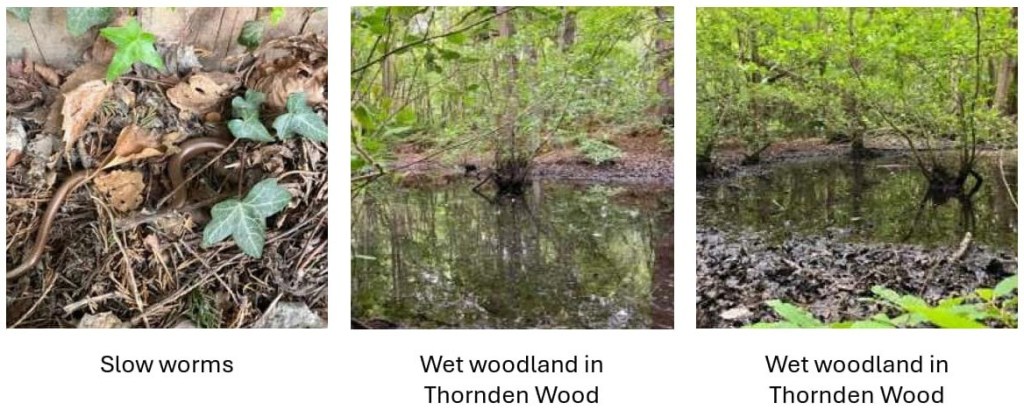
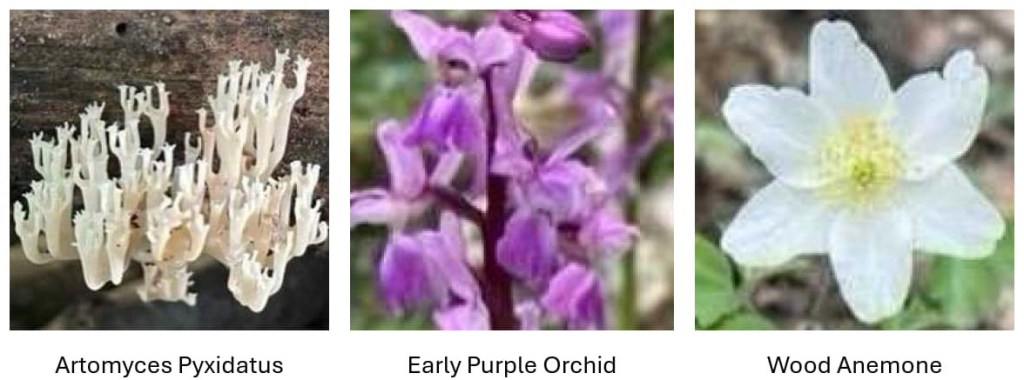
Bower Wood has been recently studied and shown to provide a unique habitat containing a spring-fed stream, Wood Anemone, Early Purple Orchid, Russula Silvestris Fungi and Artomyces Pyxidatus.
The Woodland Trust
The Woodland Trust describes the Proposal Area as:
..”one of the most scenic and diverse examples of ancient wooded landscape in south-east England. The Blean’s ancient woodland is a complex mosaic of high forest, coppice woodland, glades, and heathland.
“The inclusion of The Blean within the National Landscape will significantly enhance the protection, restoration, and connectivity of one of the most scenic and diverse examples of ancient wooded landscape in south-east England. The Blean’s ancient woodland is a complex mosaic of high forest, coppice woodland, glades, and heathland.
Expanding the National Landscape would improve the cohesion and protection of a network of NGO-managed nature reserves, both within and beyond the current boundary.”
The Woodland Trust is the UK’s largest woodland conservation charity, with a vision of a world where woods and trees thrive for people and nature. They have long supported the aims of the Kent Downs National Landscape and work closely with partner environmental NGOs (eNGOs) with shared ambition for nature recovery across both the Kent Downs and The Blean landscapes.
Kent Wildlife Trust
“These sites represent some of the most ecologically rich and culturally significant landscapes in the southeast. The Blean is the largest ancient broadleaved woodland in southern Britain a remarkable distinction considering that only 2.5% of the UK remains covered by ancient woodland. As such, every hectare is of critical importance”.
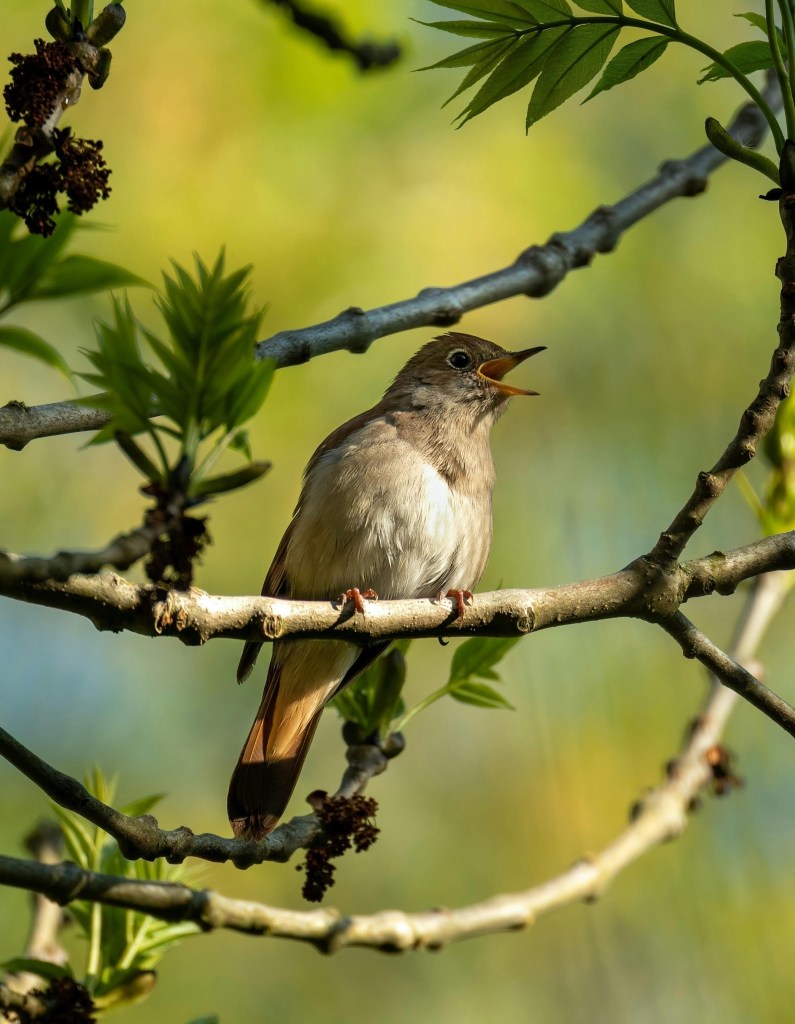
“The Blean hosts an array of nationally and internationally important designations, including SSSIs, Special Areas of Conservation, and National Nature Reserves. It provides vital habitat for rare and threatened species, including the heath fritillary butterfly–one of Britain’s rarest-and a host of Red-listed woodland bird species, such as the lesser-spotted woodpecker, nightingale, and spotted flycatcher. In addition to its natural value, the area is steeped in historical and cultural significance, offering a deeply rooted sense of place that is cherished by local communities” .
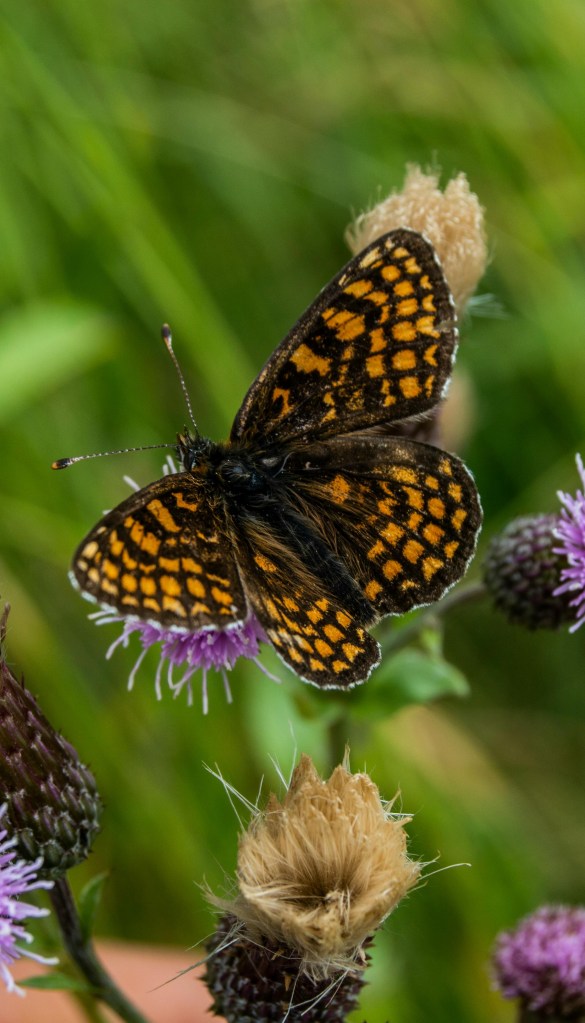
“Inclusion of The Blean within the Kent Downs National Landscape would support our ongoing conservation efforts in the area and build on the strong partnership work already taking place within the landscape.
Incorporating The Blean into the Kent Downs National Landscape will also deliver significant benefits for the National Landscape designation itself and contribute to the Government’s Environmental Improvement Plan (EIP) targets. These include:
– Bringing in four additional SSSls which are already under trusted conservation management helping to meet the target of 80% of SSSIs in favorable condition by 2042;
– Supporting habitat creation and access improvement targets through an established and collaborative partnership of conservation organisations, local authorities, and landowners;
– Expanding ancient woodland within protected landscapes, contributing meaningfully to the target of increasing woodland cover by 3%.”
Kent Wildlife Trust manage seven nature reserves within the Blean landscape, including Sites of Special Scientific Interest
RSPB
“The Blean Complex is one of the most significant areas of lowland woodland habitat in the UK and serves as a stronghold for iconic species such as the nightingale, lesser-spotted woodpecker, and heath fritillary. Its importance is derived not only from the substantial size of the remaining woodland blocks but also from the dedicated efforts of conservation organisations and private landowners”.
“We have collaborated closely with partners to ensure that the Blean Complex is recognised as a key landscape in the Local Nature Recovery Strategy process. A crucial part of achieving the vision is to safeguard the ‘gaps’ within this landscape from inappropriate development, using these areas instead to connect habitats through measures such as planting hedgerows, woodlands, or other semi-natural habitats.
The proposal to extend the National Landscapes to encompass this area would both acknowledge its natural and cultural heritage and support planning decisions that safeguard the landscape. It would also align strongly with the government’s ambitions for 30×30, the Nature Recovery Strategy and the Environmental Improvement Plan.”
The RSPB work at Blean Woods involves managing the mix of habitats to create the ideal conditions for wildlife to thrive. They undertake coppicing in some areas of the woods – a traditional cycle of cutting and regrowing of trees. This creates dense thickets for nesting birds like Nightingale, and the sun filtering through in the newly cut areas attracts a dazzling array of butterflies.
Kent Bat Group
“This area of ancient woodland is extremely important for local populations of various woodland bat species. These animals are dependent on interconnecting flight lines such as wooded shaws, tree lines and mature hedges to preserve the genetic diversity within the various maternity colonies. Fragmentation leads to genetic isolation and more likelihood of local extinctions.
Both the Blean and Challock Forest are very large blocks
of woodland. Connectivity between these blocks incorporating a smaller ancient wood, Perry Wood, would also benefit invertebrates and small mammals such as dormice, again preserving population genetics.”
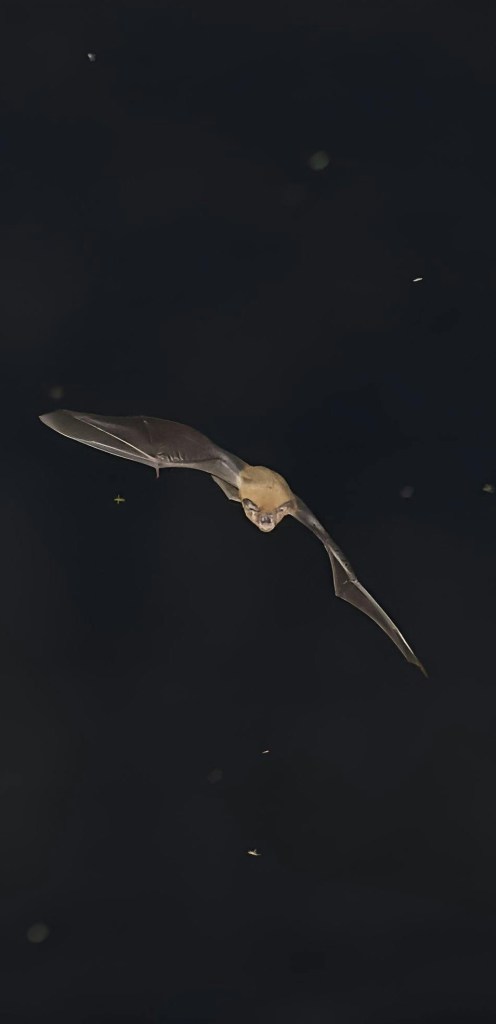
“Extending the existing National Landscapes area into The Blean and Challock Forest would benefit the whole area by protecting the landscape and preserving an extremely valuable resource, not only for the native wildlife but also for people to enjoy. The benefits are multiple including people’s mental health. This extension will help meet government targets for protected landscapes.”
Kent Bat Group is a charity of voluntary bat workers covering the county of Kent
Kent Reptile and Amphibian Group
“The Blean is one of the most ecologically valuable landscapes in Kent and this project represents a rare opportunity to protect and connect ancient woodland on a significant scale, providing habitat corridors between the Blean, King’s Wood and Perry Wood. The proposed area of expansion supports a diverse range of herpetofauna, including species of conservation concern such as the great crested newt and European adder, both of which are listed as priority species in the first draft of the Local Nature Recovery Strategy created by Kent County Council.”
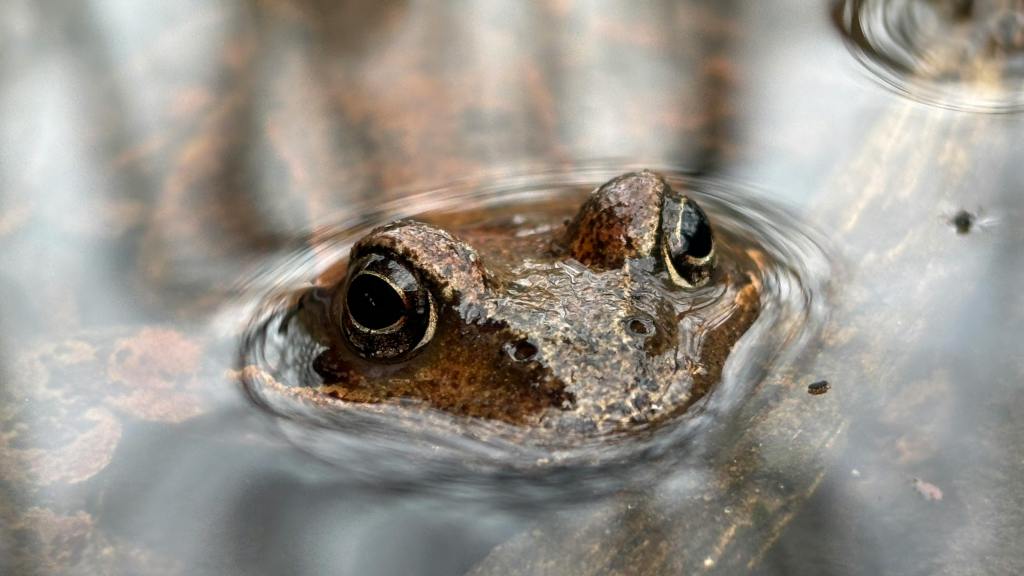
“Incorporating The Blean into the Kent Downs National Landscape would greatly benefit our conservation work by ensuring greater protection and connectivity between fragmented habitats. Connectivity is critical for amphibians and reptiles, which rely on a variety of interconnected habitats to complete their life cycles. This designation would allow us to better align our habitat enhancement efforts with neighbouring organisations and land managers, creating a more resilient landscape for these species.
Additionally, the inclusion of The Blean would strengthen the existing National Landscape by expanding its ecological reach and helping to meet national targets for land protection. Protecting and restoring ancient woodland, especially through collaborative initiatives, is essential for reversing biodiversity decline and enhancing climate resilience.”
The Kent Reptile and Amphibian Group is a non-profit making organisation
that works to promote the conservation of reptiles and amphibians in Kent.
KRAG is an affiliate of ARG UK, a network of wildlife volunteer groups
which aim to protect and conserve the native amphibians & reptiles of the UK.
Working in the Forest Area
There are numerous organisations already working to protect and enhance the Forest of Kent project area, these include:

